
Programme Overview
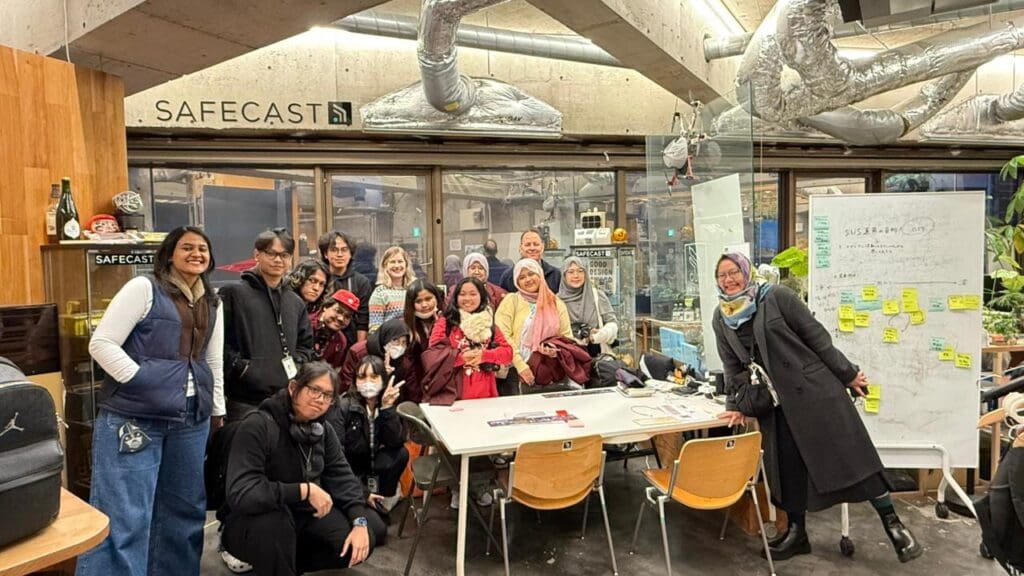
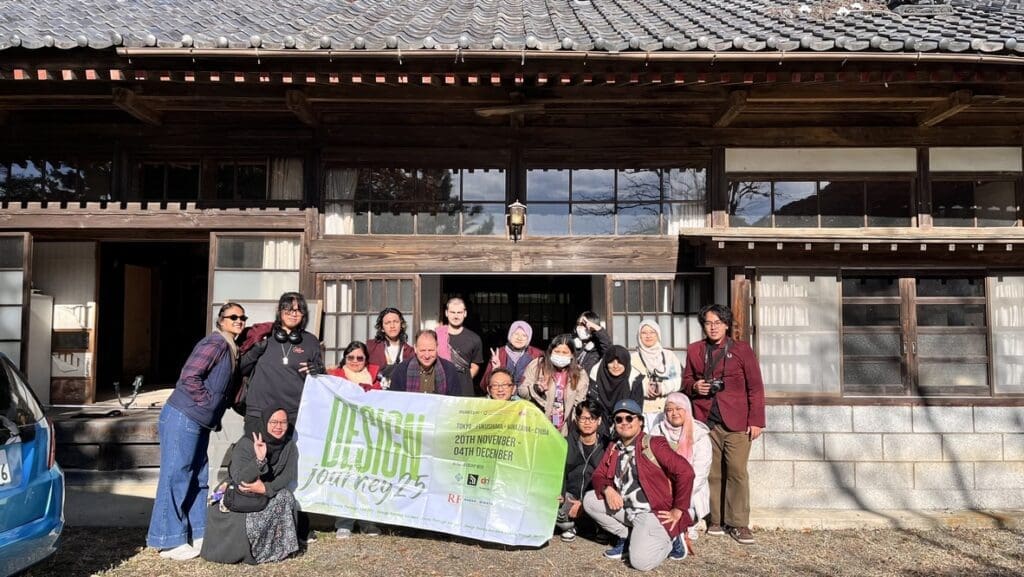
Design Journey 2025 is the third annual international field-based programme conducted by the International Class of the Visual Communication Design Study Programme, Faculty of Creative Industries, Telkom University. The programme was implemented from 20th November to 4th December 2025 and took place across Tokyo, Fukushima, Kanazawa, and Chiba, Japan. It involved 12 undergraduate students (five male and seven female) from cohorts DK44–DK48, accompanied by academic coordinators and supported by institutional and community partners in Japan.
The programme forms an integral part of the International Class curriculum and is designed as an annual educational field class for third-year students. It aims to expand students’ global awareness through direct engagement with creative industries, cultural heritage, artistic practices, socio-cultural dynamics, and humanitarian contexts beyond the university environment.
Educational Framework and Learning Method
Design Journey 2025 was implemented using a Participatory Learning and Action (PLA) approach. This method facilitated student interaction with local communities and institutions through structured observation, hands-on activities, and reflective documentation. Students participated in academic, cultural, and community-based activities in four cities: Tokyo, Fukushima, Kanazawa, and Chiba.
Each student was provided with a pre-trip guidebook and a journal, which were required to be completed during visits to various sites, including historical locations, museums, galleries, markets, universities, and community spaces. The programme explicitly integrated: Design Thinking and Research Methodology, Field Observation, and Experiential Learning. Design in relation to Community, Tradition, and Culture. These components structured the learning process throughout the journey.
Organisation, Coordination, and Partnerships
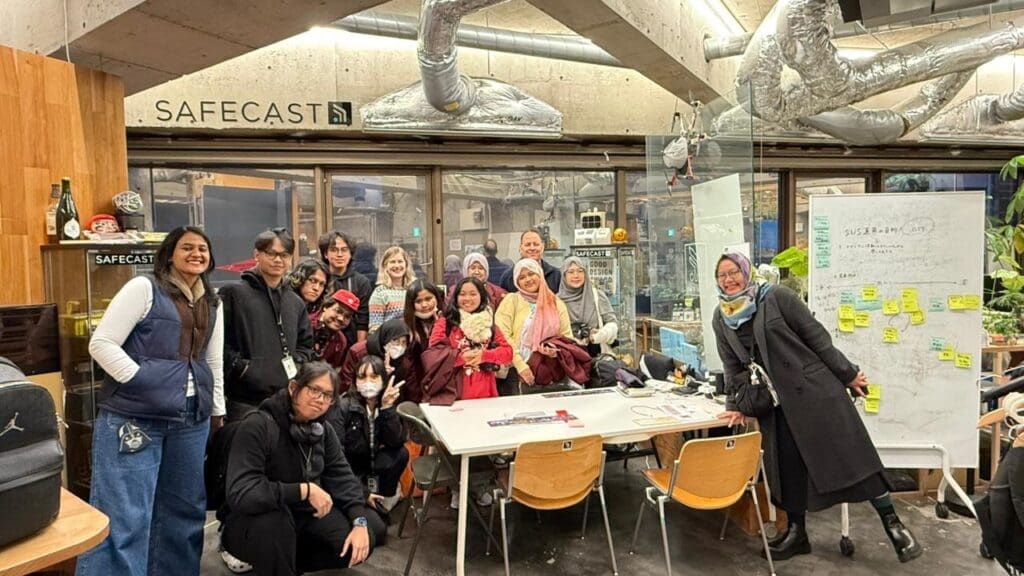
The programme was coordinated by academic staff from the Visual Communication Design programme. International partners supporting the programme included Safecast Japan, Real Fukushima, Kanazawa University, DRI Chiba University, Accenture Song Tokyo, and PPI Kanazawa University. Logistical arrangements, including transportation and accommodation, were provided by CV Radar Wisata, the travel vendor. Students travelled using international flights, chartered buses, and regional trains. Accommodation was arranged across multiple locations in Tokyo, Fukushima, Kanazawa, and Chiba, in line with the programme itinerary. Daily briefings and nightly evaluations were conducted to ensure programme continuity, student safety, and academic monitoring.
Tokyo: Arrival, Orientation, and Initial Activities
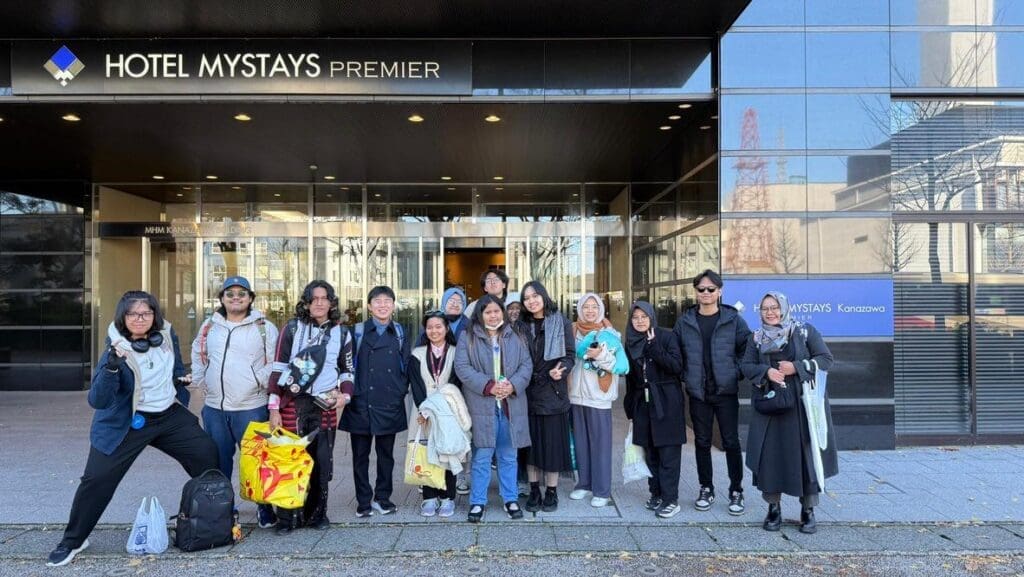
The programme began with the group’s arrival in Tokyo. Students safely arrived at the hotel and began exploring the surrounding area. A buddy system consisting of three groups was implemented to structure supervision and encourage peer support. Initial activities focused on city orientation and adaptation to the urban environment.
Early observations identified varying levels of preparedness, particularly regarding financial arrangements and currency exchange. One student experienced a brief immigration delay due to a misplaced boarding pass; the matter was resolved without issue. Requests for room changes were noted, but existing arrangements were maintained for stability. Breakfast arrangements were managed independently due to the hotel’s policy.
Students displayed differing adaptation patterns, with some remaining reserved and observant, while others showed early initiative and social engagement. The supervising team continuously monitored these differences.
Safecast Workshops and Design Learning (Tokyo and Fukushima)
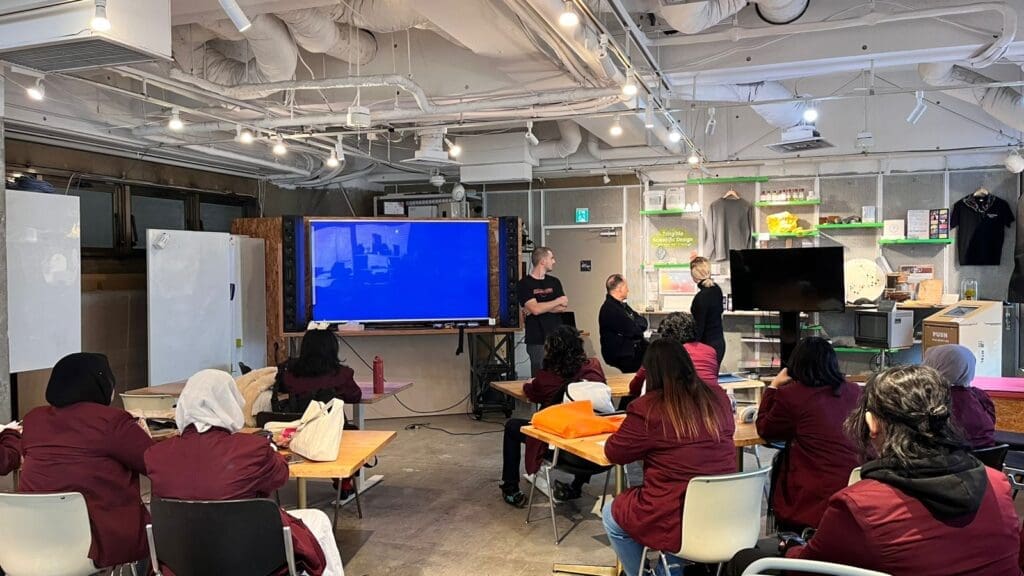
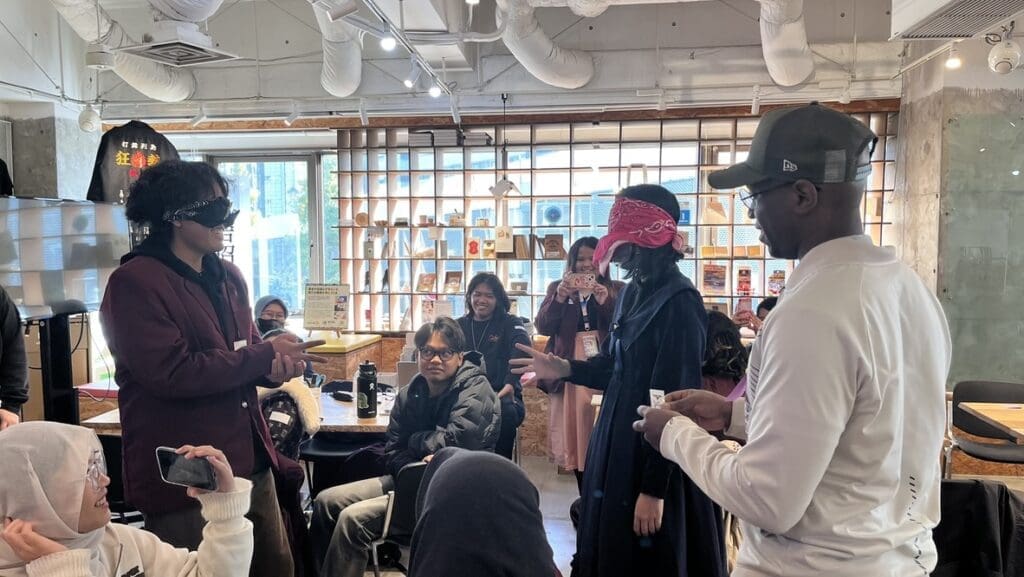
A central academic component of Design Journey 2025 was the Safecast lecture and workshop series, conducted in Tokyo and Fukushima. These sessions focused on community-oriented disaster mitigation design and information design.
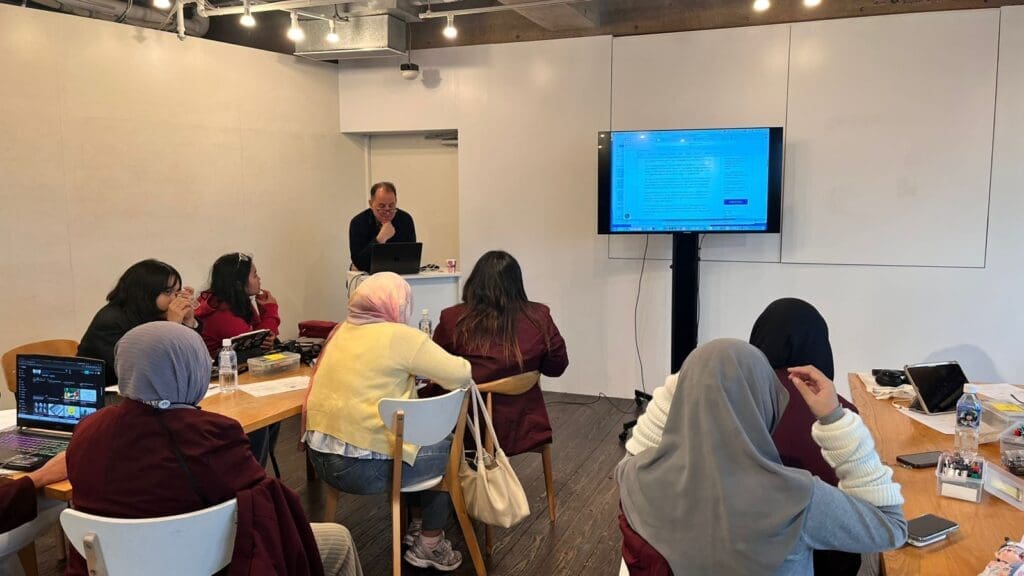
Students participated in: Design Jam 2025 and Design Lectures; Safecast lectures and workshops; Hands-on assembly of radiation detection devices; and field testing and observation of environmental data-collection processes. Under the guidance of Safecast facilitators, students assembled Geiger counters and conducted walk-around testing near Safecast headquarters. These activities allowed students to directly observe how environmental data is collected and used to support public safety and community awareness. The sessions proceeded smoothly and productively, with active student participation throughout
Academic Progression and Student Engagement (Tokyo)
During the Safecast sessions, student engagement was consistently observed. Students asked questions, participated in discussions, and completed assigned design survey short reports within expected academic standards. Buddy groups conducted supervised free exploration after class sessions, navigating independently and safely to areas such as Shibuya and Akihabara.
Daily observations recorded individual development, leadership tendencies, and support needs. Logistical and institutional documents related to the collaboration were secured and signed during this phase. The Tokyo segment concluded with continued workshops, site visits, and preparation for the next stage of the journey
Fukushima: Disaster Context and Community Engagement
Upon arrival in Fukushima, students were welcomed by local community leaders involved in long-term community initiatives. Activities included visits to: tsunami-affected coastal areas; disaster history museums; abandoned public facilities, including an elementary school; and government-provided housing for disaster-affected residents. These visits provided students with direct exposure to the long-term social and spatial impacts of natural disasters. Students demonstrated emotional engagement, empathy, and reflective awareness during site visits and discussions. Night briefings were conducted daily to consolidate learning and ensure student well-being
A dedicated session included meetings with tsunami disaster survivors, during which students learned about displacement, recovery, and post-disaster living conditions. One minor health incident involving a student was recorded and managed appropriately without further issues.
Student Behavioural and Developmental Observations
Throughout the Fukushima segment, students demonstrated increased discipline, responsibility, and engagement. Observations highlighted individual traits, including curiosity, leadership, empathy, resilience, and growing social confidence. These developments reflected positive progress in social adaptation, responsibility, and participation across the cohort.
Chiba: Cultural and Academic Exposure
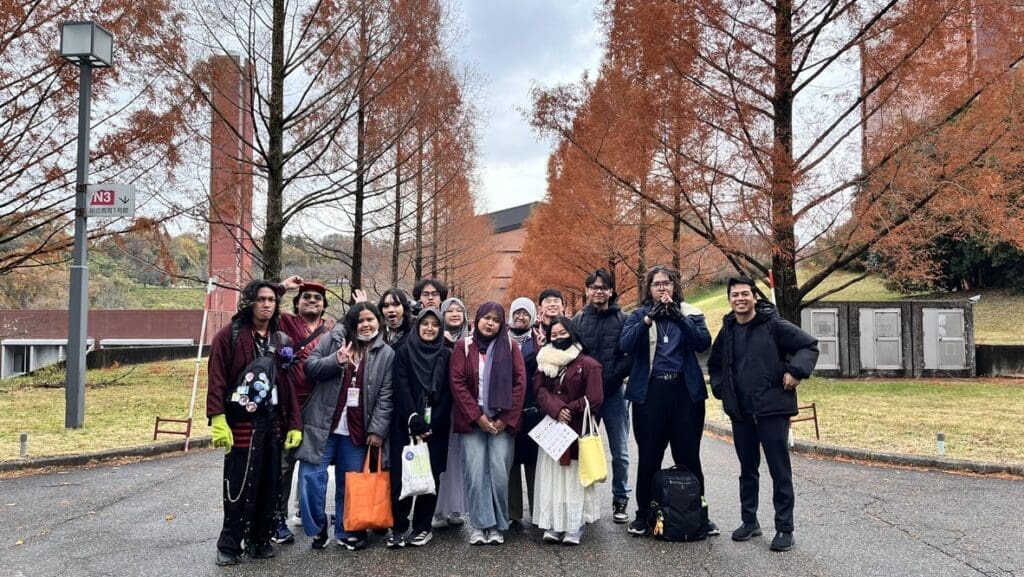
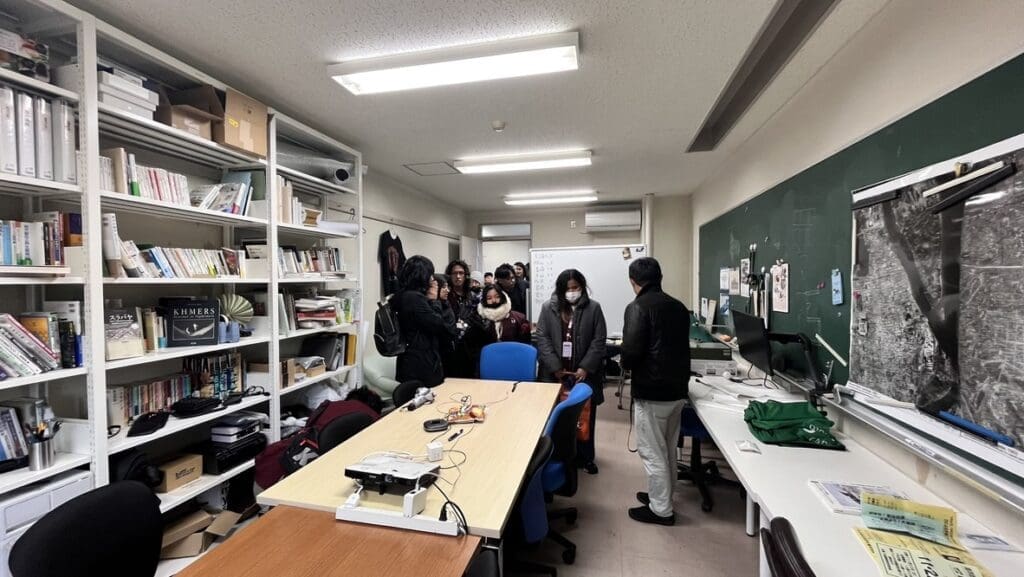
In Chiba, students visited Narita Temple, observing local worship practices and engaging in informal reflection during a picnic-style lunch. The group also visited Chiba University, where students toured laboratory facilities and participated in academic discussions introducing Japanese university research environments. Students were later granted supervised free time in Asakusa, allowing further development of navigational confidence and cultural awareness. The day concluded with preparations for departure to Kanazawa.
Kanazawa: Academic Activities and Cultural Learning
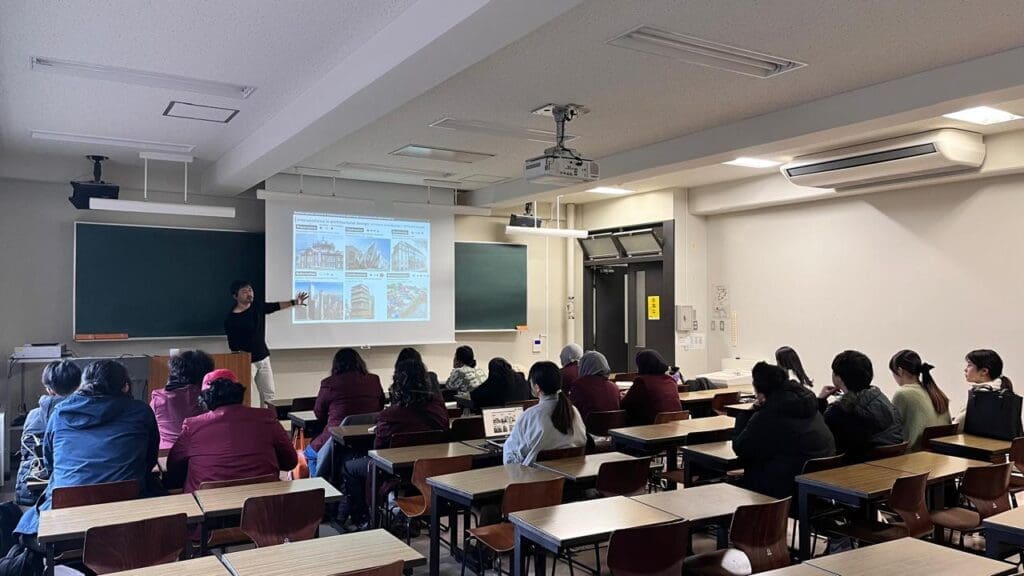
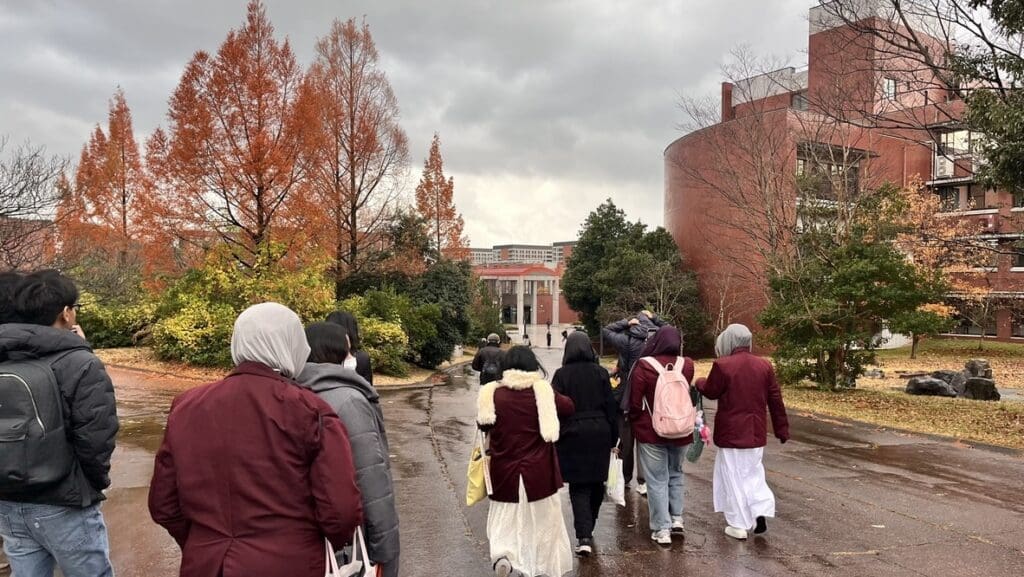
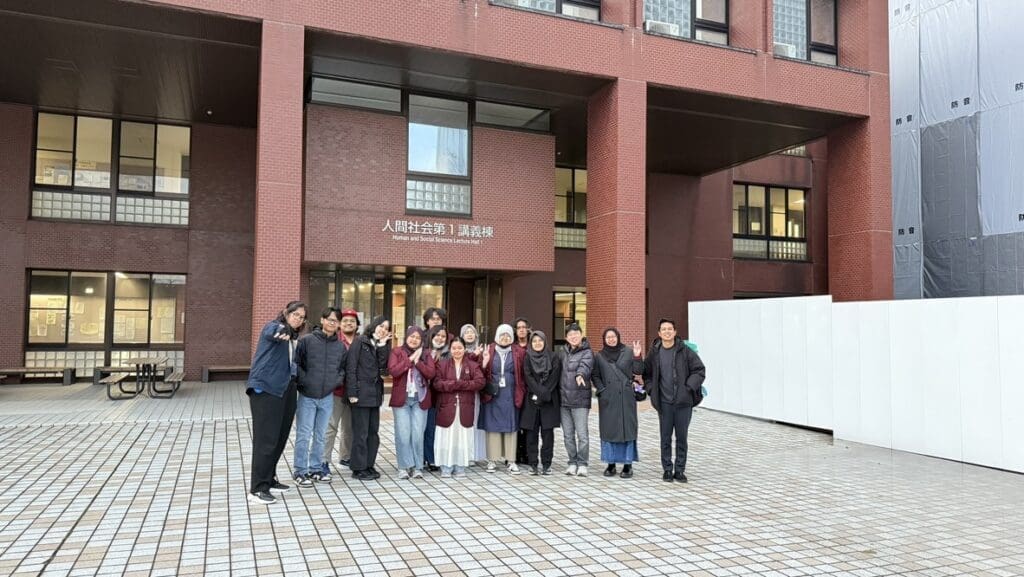
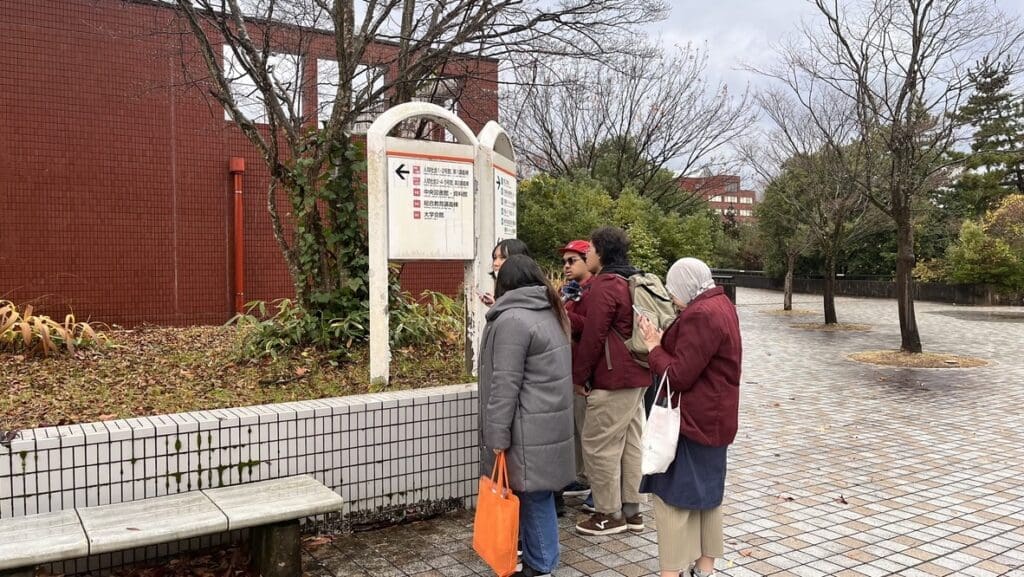
The Kanazawa segment involved travel from Tokyo, followed by academic activities at Kanazawa University. Students attended lectures on: Reading Regional Context in Architectural and Urban Design; Ethnography in Design Practice. Students actively participated in discussions, campus tours led by PPI Ishikawa, and group preparations for final presentations. Despite travel fatigue, activities proceeded smoothly, and student enthusiasm remained high.
A key learning outcome in Kanazawa was the lived experience of omotenashi, demonstrated through sustained hospitality and accompaniment by a local student volunteer. This experience highlighted cultural values of sincerity, attentiveness, and respect.
Final Workshops and Reflections (Tokyo)
Returning to Tokyo, students participated in intensive workshops focused on design thinking. Facilitators guided students through structuring design processes, organising insights, and translating observations into design outcomes. Final presentations were delivered clearly and received positively by programme partners. Students were entrusted with increased responsibility, including independent navigation of public transportation systems, reflecting growing confidence and adaptability.
Programme Conclusion
The programme concluded with visits to Meiji Jingu Park and DRI Sumida City, where students attended classes on collaborative design involving human creativity and computational systems. Students presented reflective outputs in the form of interactive videos, which were positively received. A farewell gathering with Safecast marked the conclusion of Design Journey 2025. Students received certificates recognising their participation and engagement. The programme concluded safely and meaningfully, marking the completion of the Design Journey cycle.
Closing Statement
Design Journey 2025 functioned as a structured international educational programme integrating academic learning, field observation, and community engagement. Through classes, workshops, site visits, and direct interaction with academic, professional, and community stakeholders, students experienced sustained development in independence, discipline, collaboration, and contextual awareness. The programme reinforced the role of design in relation to society, culture, and real human contexts, and stands as a significant academic milestone within the Visual Communication Design International Class at Telkom University.